
Staring at your bank account balance can feel like a punch to the gut when the numbers don’t add up.
Whether you’re dealing with inflation eating away at your paycheck, unexpected layoffs, or rising costs that have outpaced your income, managing your money when you’re broke feels overwhelming and hopeless.
But here’s what nobody tells you: being broke doesn’t mean you’re powerless. In fact, some of the most successful people have learned their best money management skills during their lowest financial moments.
The key is knowing how to manage your money when you’re broke so you can not only survive but also set yourself up for a stronger financial future.
Let’s look at six proven strategies that can help you take control of your finances, even when every dollar counts.
1. Get Ahead of Your Creditors Before They Come for You
The biggest mistake people make when managing money while broke is hiding from their financial obligations. Those collection calls and past-due notices create a cycle of stress that makes everything worse. Instead of waiting for creditors to track you down, take control of the situation.
Contact your creditors as soon as you realize you can’t make a payment. Most companies have hardship programs designed specifically for people struggling financially. These might include payment deferrals, reduced minimum payments, or temporary interest rate reductions.
When you call, be honest about your situation. Explain that you want to pay but need help finding a solution. Many creditors would rather work with you than send your account to collections, where they’ll recover less money.
Document every conversation, including the representative’s name, date, and any agreements made. This protects you if there are disputes later and shows you’re serious about managing your money responsibly, even when you’re broke.
2. Master the Art of Financial Triage
Learning to manage your money when you’re broke means making tough choices about which bills get paid first. This isn’t about what feels right emotionally, it’s about protecting your basic needs and minimizing long-term damage.
Your priority order should typically be housing (rent/mortgage), utilities (electricity, heat, water), insurance (health, auto if you need it for work), food, transportation costs, and secured debts (car loans). Credit cards and unsecured debts come last.
Consider the real consequences of not paying each bill. Missing a credit card payment hurts your credit score, but losing your home or having your electricity shut off creates immediate life disruption.
This is also the time to ruthlessly eliminate every nonessential expense. Cancel streaming services, pause gym memberships, and stop eating out. When you’re managing money while broke, every dollar must serve a critical purpose.

3. Temporarily Pause Your Savings Goals
This advice goes against everything you’ve heard about personal finance, but sometimes managing your money when you’re broke means making strategic exceptions to standard rules. If you’re choosing between making rent and contributing to your emergency fund, choose rent.
The opportunity cost of not paying essential bills – late fees, service disconnections, potential eviction – far outweighs the benefits of maintaining your savings routine during a financial crisis.
However, make this pause temporary and specific. Decide exactly when you’ll resume saving, such as “when I’m caught up on rent” or “when I find stable employment.” This prevents the pause from becoming permanent and keeps you focused on managing your money systematically.
Remember, you can’t build wealth if you don’t have stable housing and basic necessities covered first.
4. Resist the Credit Card Trap
When you’re managing money while broke, credit cards can seem like a lifeline. They’re not, they’re quicksand. Using credit to cover basic expenses creates a cycle that’s incredibly difficult to escape.
Consider the math: if you put $1,000 of expenses on a credit card with an 18% interest rate and only make minimum payments, you’ll pay over $1,800 total and take years to pay it off. That’s money you don’t have, making your broke situation worse in the long run.
Instead of relying on credit, focus on the strategies in this guide to find real solutions. Sell items you don’t need, take on temporary work, or ask family for help before adding high-interest debt to your financial burden.
If you must use credit for true emergencies, have a specific repayment plan before you swipe the card. Know exactly how and when you’ll pay it back.

5. Create Multiple Income Streams Fast
Managing your money when you’re broke often requires increasing the money coming in, not just managing what you have.
In 2025, there are more opportunities than ever to create quick income, even with limited skills or resources.
Immediate Income Options:
- Gig work like food delivery, rideshare, or task-based apps
- Selling items on Facebook Marketplace, eBay, or local buy/sell groups
- Freelancing skills you already have (writing, design, tutoring, pet sitting)
- Create and sell a digital template or quick guide that solves an important problem for one type of customer.
- Picking up extra shifts or overtime at your current job
Slightly Longer-term Income:
- Part-time retail or service jobs (many are hiring with flexible schedules)
- Online freelancing through platforms like Upwork or Fiverr
- Seasonal work (tax preparation, holiday retail, summer camp jobs)
- Create and sell digital courses.
The key is taking action immediately. Even an extra $200-300 per month can dramatically improve your ability to manage money when you’re broke. Every dollar of additional income gives you more breathing room and options.
6. Build a Crisis Budget That Actually Works
Traditional budgeting advice doesn’t work when you’re broke because it assumes you have enough money to cover everything. When managing money while broke, you need a crisis budget that prioritizes survival and recovery.
Start with your absolute bare minimum expenses, the amounts you must pay to keep a roof over your head, lights on, and food on the table. This becomes your baseline survival number.
Next, list every source of income, including any side work or assistance you might receive. If your income covers your survival baseline, you can allocate any extra money to other bills based on your priority system.
If your income doesn’t cover your survival baseline, you have a clear action plan: increase income or reduce the baseline expenses further. This clarity helps you focus your energy on solutions instead of worrying about everything at once.
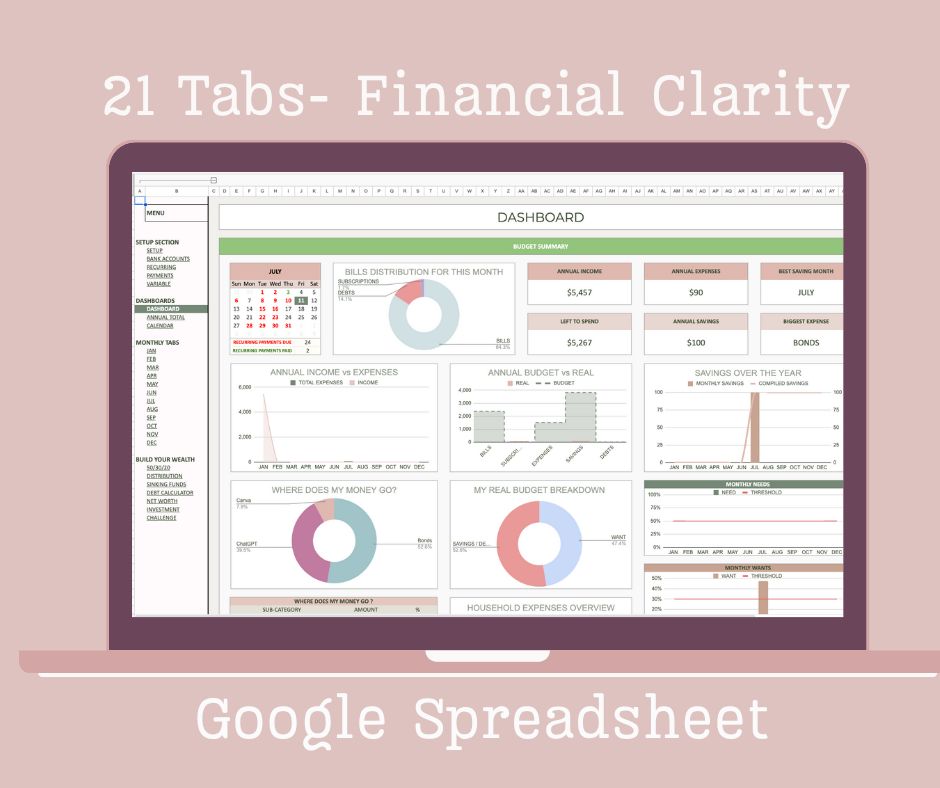
Consider using a proven budgeting system like my Financial Clarity Google Spreadsheet for $27, which helps you track expenses and find hidden money even when funds are tight.
Your Money Management Success Starts Now
Learning how to manage your money when you’re broke isn’t just about surviving your current crisis; it’s about building skills that will serve you for life.
The discipline, creativity, and prioritization abilities you develop now will help you build wealth once your income improves.
Remember that being broke is temporary, but the money management skills you learn during this time are permanent.
Every successful person has faced financial challenges, and many credit their lowest moments with teaching them their most valuable lessons about money.
Start with one strategy from this list today. Whether it’s calling a creditor, selling something you don’t need, or creating a crisis budget, taking action immediately changes your relationship with money from reactive to proactive.
Your financial situation can and will improve. Focus on managing your money systematically, even when you’re broke, and you’ll build the foundation for lasting financial stability.
Need a structured plan? Check out this blog post here: The Dave Ramsey Baby Steps Plan. (With a real person experience that actually works.