
Affiliate Disclosure: This post contains affiliate links. If you grab something through my links, I might earn a small commission at no extra cost to you. I only share stuff I truly believe will help you. Thanks for your support!
From Startup to Suitcase Sensation.
Not too long ago, luggage was boring. Either you had clunky, old-school suitcases or overpriced designer options that cost more than your plane ticket.
Enter Away, a brand that made luggage cool, functional, and Instagram-worthy.
From a direct-to-consumer powerhouse to a lifestyle content strategy that had millennials running to checkout, Away has changed how we think about travel bags.
But their journey hasn’t been all smooth sailing—there are major crisis management lessons to be learned, too.
By the end of this post, you’ll see exactly how Away became the go-to luggage brand and what takeaways you can apply to your own business.
1. Direct-to-Consumer Success: Cutting Out the Middleman.
Away launched with a genius approach—sell high-quality luggage without the retail markup.
Instead of relying on department stores, they went direct-to-consumer (DTC) and kept prices reasonable without sacrificing quality.
Why It Worked:
*Better pricing. By skipping traditional retailers, Away kept costs low and quality high.
*Customer-focused innovation. They designed luggage based on real customer feedback, not outdated industry standards.
*Word-of-mouth marketing. No physical stores? No problem. Away leveraged influencers and social proof to spread the word.
Lesson for You: If you’re selling a product, ask yourself—do you really need a middleman?
Direct-to-consumer brands can control pricing, customer experience, and branding in a way traditional models can’t
2. Lifestyle Content Strategy: Selling a Dream, Not Just a Suitcase.
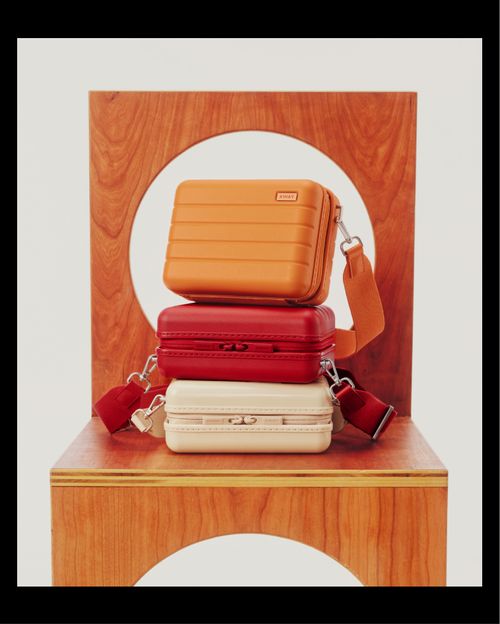
Away didn’t just sell luggage—they sold a travel lifestyle.
Their Instagram isn’t filled with boring product shots; it’s packed with wanderlust-inducing images of dreamy destinations, packing tips, and chic airport looks.
What Made It Work:
*Emotional connection. Away didn’t just market suitcases; they marketed the joy of travel.
*User-generated content. Customers became brand ambassadors by sharing their own travel experiences with Away luggage.
*Engaging storytelling. From blog posts to travel guides, Away positioned itself as a go-to travel resource, not just a product brand.
Lesson for You: Think beyond your product. How does it fit into your customer’s lifestyle? Tell a bigger story, and your audience will be hooked.
3. Crisis Management: Learning from the Bumps in the Road.
Away’s journey hasn’t been all perfect. In 2019, the company faced backlash over reports of a toxic work culture—a PR nightmare for a brand built on aspirational travel.
The way they handled (and mishandled) the situation is a lesson in crisis management.
What Went Wrong:
*Delayed response. The brand took too long to address concerns, leading to bigger backlash.
*Leadership missteps. After stepping down, the CEO returned in a new role, raising eyebrows.
*Trust rebuilding. They had to work overtime to regain customer and employee trust.
What we Can all learn from this:
*Transparency is key. When a crisis hits, respond fast and own up to mistakes.
*Actions speak louder than words. Away had to implement real culture changes, not just PR statements.
*Customer trust takes time to rebuild. But with the right actions, brands can recover.
Lesson for You: No brand is immune to missteps. But the faster you own the problem and take action, the easier it is to bounce back.
I'll leave this with you.
Why Away Continues to Win
Despite its challenges, Away remains a top luggage brand because it understands what modern travelers want—affordable luxury, a strong lifestyle brand, and products that actually solve problems.
What’s Next?
Think about how your brand can apply Away’s biggest lessons:
Can you cut out the middleman and go DTC?
How can you sell a lifestyle, not just a product?
Do you have a crisis plan in place if things go wrong?



One Response
This is a thorough insight into the brand; I’ve never heard of this luggage brand until today.