



woman creating online course on a laptop.

How to Create Digital Products Step by Step

Feeling stuck on how to create digital products? You’re not alone. The good news: digital products are among the easiest, most scalable ways to boost your income without inventory or shipping hassles.

In this post, you’ll get a clear, step‑by‑step process to go from idea to launch. And if you’re a beginner, don’t miss your free Beginner’s Guide to Selling Digital Products Online—the perfect companion to help you take the next step.

Why 2025 Is the Golden Age of Digital Products

Digital products have gone from niche side hustle to mainstream income source—and the timing couldn’t be better.

In 2025, AI, automation, and creator-friendly tools have erased nearly every barrier that used to hold people back: no more expensive developers, months of content creation, or confusing platforms. Whether you’re a designer, coach, writer, or complete beginner, you can now create and sell digital products in days, not months.

Nvidia’s CEO recently stated that AI will create more millionaires in five years than the internet did in 20, and for once, that’s not hype.

If you’re ready to get your first (or next) digital product out into the world, this guide will walk you through the exact steps—from choosing a profitable idea to making your first sale.

Pro tip: Want help taking action? Download your free Beginner’s Guide to Selling Digital Products Online—packed with tools, templates, and a 7-day roadmap.

1. Define Your Niche & Audience

The key to success in anything isn’t about reinventing the wheel or something brand new; it’s tapping into proven demand.

Here’s how to find it:

  • Start with what you know. Are you a few steps ahead in productivity, design, budgeting, fitness, homeschooling, or wellness?

  • Then use AI to scan the market. Tools like ChatGPT, Glimpse, and TikTok trends can surface high-traffic ideas around your interests and skills instantly.

  • Look at what’s working. Browse Etsy, Gumroad, and Payhip to find digital products with consistent sales and reviews.

Goal: Find an idea that combines what you know with what people are already paying for. This is market research; even if you know what you want to create, it does not hurt to research the sales and growth potential. 

top 5 digital products in 2025
Blog post: Top 5 digital products in 2025

Step 2: Validate Before You Build

Ideas are worthless unless people will actually buy.

So once you’ve completed your market research, you want to validate your product idea. To validate your idea:

  • Test the water with a free product:Create a free lead magnet with some of the content from your main offer and promote it via social media or your platform of choice.

Use this free product to collect email addresses and build your email list of potential clients to promote your main offer to. If your free offer is converting at a high rate, you know you have a winner.

Use the Ultimate Validation Test: Pre-Sell It.

Want to know if your course idea is pure gold? Sell it before you build it.

I know, I know; it sounds scary. But here’s the thing: if people won’t buy your course idea, they definitely won’t buy the finished product.

Here’s how to do it:

    • Create a simple sales page describing the course
    • Offer it as a “beta version” at a discount
    • Build it WITH your first customers
    • Use their feedback to make it even better. 
  • Ask your audience (even if it’s small) what they’d pay for

Quick tip: If you see someone else already selling it—that’s not competition. That’s proof of demand.

Check out this blog post, 

Validate Before You Create: The #1 Way to Build Online Courses That Actually Sell

3. Plan Your Product Strategically

Skip perfection. Your first digital product should be simple, fast to make, and easy to sell.

  • Use accessible tools. Platforms like Canva, ChatGPT, and free templates help you design and produce without needing technical skills. 

  • Break work into batches. Outline, draft, design, then test. This grouped workflow keeps you focused and efficient. Reddit

Try one of these beginner-friendly formats:

  • A workbook or checklist

  • A “how-to” mini-course

  • An ebook based on your experience

Your goal is to solve one problem clearly and quickly. You can always expand later.

4. Build and Launch

Use Canva—there are multiple free or paid templates to choose from. An easy way to build your digital product is also with Google Docs, and all you need is a free Google Docs account. 

Next: 

  • Set up your sales platform. Gumroad, Etsy, Shopify, Beacons.ai, and STAN Store Teachable all offer simple delivery and checkout, making it easy to launch in just a few hours. The Leap

On your sales page, clarify your offer promise and what transformation the buyer can expect to get, and use testimonials if you have any from your lead magnet. 

Focus on the transformation and not the feature or benefit—let the reader see themselves already transformed, their problem solved, and excited to give you their credit card information.

Use keywords and descriptions that convert. Analyze search terms for your niche and apply them strategically

  • Launch, Monitor, Improve. Before you hit the launch button, do a quick quality check. Test to make sure your payment methods are set up. Before uploading your ebook or guide, check for formatting and errors.
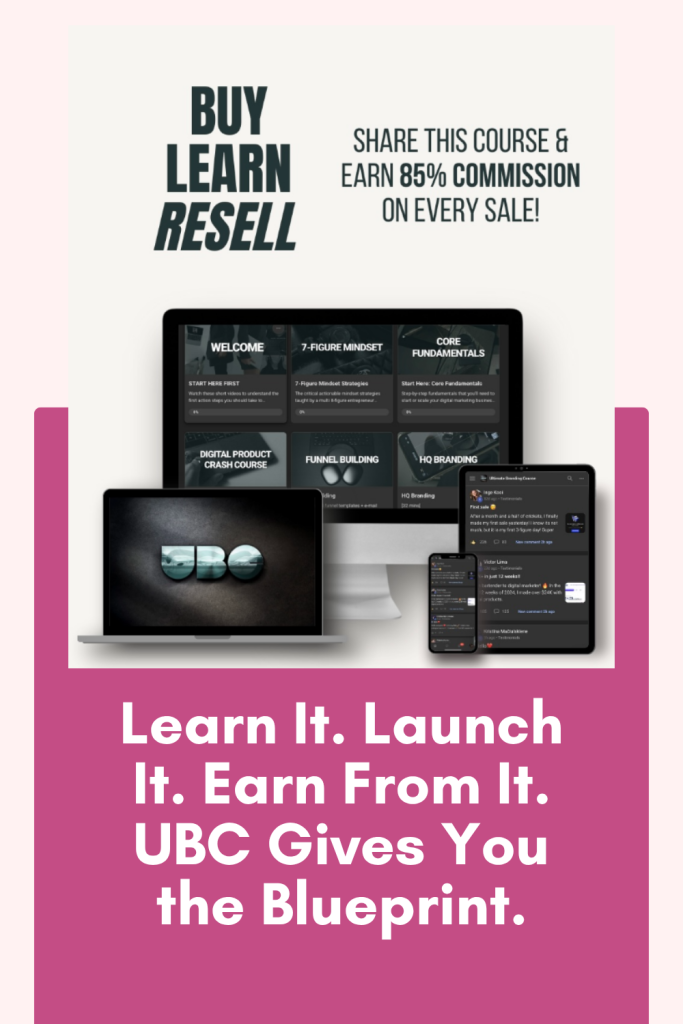
An image of multiple computers and ipad, on screen ultimate branding course.
The Ultimate Branding Course teaches you the secrets of effective branding AND gives you all the tools you need to start selling online with focus on Social media whether you have a faceless or faceforward personal brand. It time to monetize your influence Available in English, French, Deutch and Portugues.

5: Drive Traffic with to your store

Leverage social media and email. Create helpful content around your topic. Blog posts, YouTube videos, Reels, or email tips can work for years—long after you publish them.

  • Share sneak peeks, behind‑the‑scenes, or mini‑tutorials to build interest. The Leap

  • Show real-life success. Stories like one creator making $700+/day selling planners on Etsy or another earning $20K/month by using AI tools show what’s possible.

  • Use Paid Ads (Optional)

    Test low-budget Facebook or TikTok ads once your product is validated. Focus on pain points, transformation, and testimonials.

6. Track key metrics and Improve

Look at sales, traffic, email signups, and customer feedback to spot what’s working and what could improve. Dripify

Get feedback from your current buyers; offer a discount on future product in exchange for feedback. 

Here are a few things to track:

After launch, track:

  • Conversion rate

  • Page views

  • Refunds (low = you’re delivering value!)

  • Customer feedback

Then:

  • Iterate and refine. Add value, update content, tweak based on feedback, and relaunch improved versions.

    • Improve the offer

    • Add a bundle or upsell

    • Launch a follow-up product

Every product becomes easier than the last—and you’ll quickly build momentum, confidence, and income.

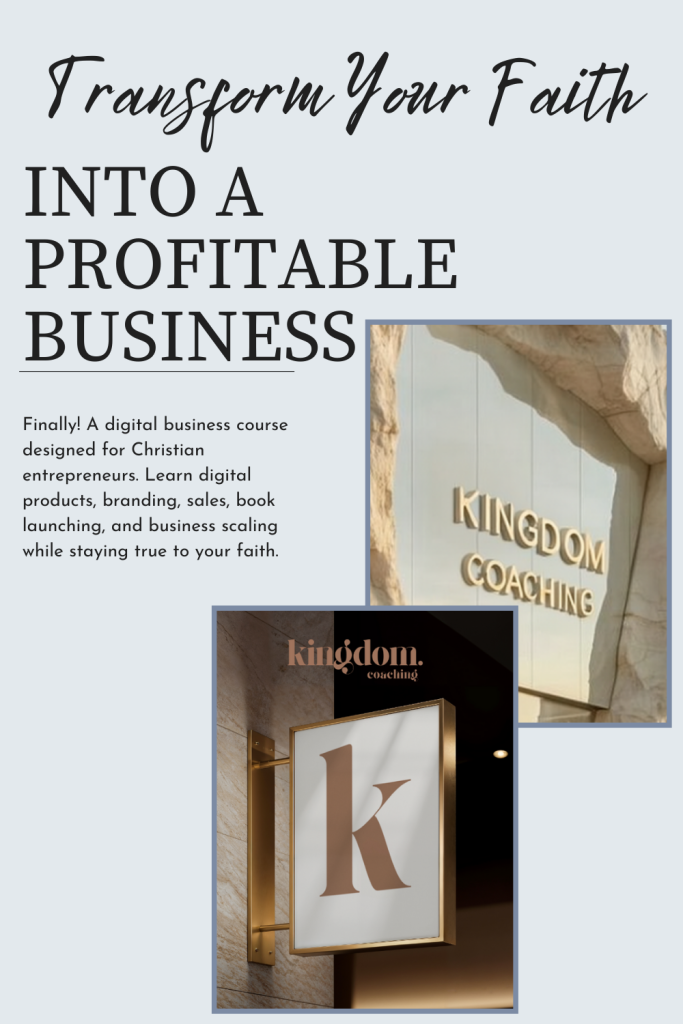
Kingdom coaching course: Digital marketing course based on Christian principles

Why Digital Products works

Digital products are the perfect beginner business model because of:

  • Low cost, high margin. No production or shipping means you keep more of each sale.

  • Fully scalable. Sell one copy or one thousand—it costs you no extra.

  • Flexible. Launch once, and it can earn on autopilot.

  • No inventory or shipping. And with AI tools helping you plan, write, and design, you can go from idea to income in less than a week.

Ready to Start? Here’s what to Do Next

Most people scroll past guides like this and think, “I’ll come back to it later.”

But “later” becomes weeks. Then months. Then… nothing.

Don’t be most people.

If you want to start earning from your skills, experiences, or knowledge—now is the time.

Grab your free Beginner’s Guide to Selling Digital Products Online and launch something in the next 7 days.

Because once you make that first sale, everything shifts.

Woman writing in a journal.
Blog post: Validate before you create—the #1 way to ensure you have a product ready to sell.

FAQs

1. What’s the easiest digital product to start with?
Templates, checklists, and mini-courses are simple, fast to create, and always in demand.

2. Do I need a website to sell digital products?
No! Platforms like Gumroad or Stan handle everything—hosting, payments, and delivery.

3. Can I sell digital products without an audience?
Yes—start with marketplaces like Etsy or partner with micro-influencers or even Pinterest.

4. How long does it take to make a digital product?
You can create a solid MVP in under 3 days using free tools and AI assistance.

5. What’s in the Beginner’s Guide?
Step-by-step roadmap for beginners from product ideas to launch. This is a no BS guide for beginners. 

Facebook
Twitter
Email
Print

Leave a Reply

Your email address will not be published. Required fields are marked *

Related article